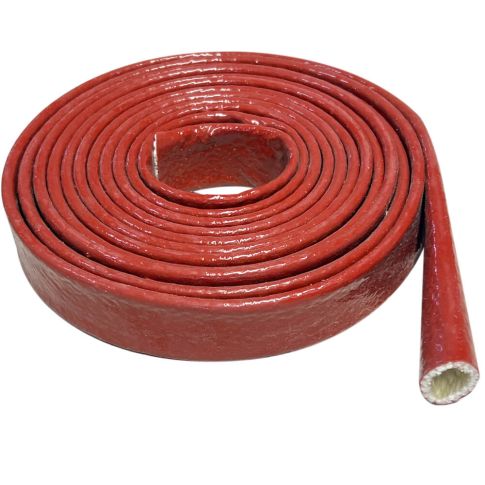
Insulation pipe for central heating is an inconspicuous but very important element of every modern heating system. It plays an important role in reducing heat loss, protecting the system from damage, and significantly affects comfort of use and operating costs.
The main task of an insulation pipe for central heating is to reduce heat loss from heat-conducting pipes. Without proper insulation, a large part of the energy can be dispersed before it reaches its destination. An insulation pipe for central heating creates a thermal barrier that traps heat inside, ensuring its efficient use. It also protects the installation, reduces noise, prevents freezing, and ensures the aesthetics of the system. Made of polyethylene or phenolic foam, rubber, or mineral wool, it is flexible and easy to install. Thanks to this, it can be used as thermal insulation for a fireplace or as a supporting element for sealing furnace doors.
Insulation pipes for central heating are often overlooked, but they are extremely important. How can they be used for thermal insulation and to protect installations?
The installation of insulation pipes for central heating is usually simple and quick. It only requires preparing the surface of the pipes, selecting the diameter of the insulation and applying it to straight sections. In the case of an insulated pipe with a slit, simply open it and slide it onto the pipe. It can be used to insulate elbows and joints in devices such as water jacket fireplaces. Such insulation should be sealed using, for example, high-temperature sealant, offered, like other products, by the Vitcas store. Properly installed insulation offers benefits in the form of lower heating bills, lower fuel consumption, faster heating of interiors, longer service life of the installation, and comfort and safety for users.
By choosing a product such as an insulation pipe for central heating, you are choosing an economical, safe, and functional solution. It allows you to improve the efficiency of many heating devices.